Most people start a blog with big dreams. They think: “I’ll write about anything, build an audience, and the money will follow.”
Then six months pass.
No readers.
No income.
No progress.
Here is the real truth: How to choose a profitable blogging niche is the single most important decision you will make as a blogger.
Get this right, and you build a business that grows on its own. Get it wrong, and you waste a year of your life writing into the void.
Digital Mansoor has helped hundreds of bloggers find their profitable niche, launch their sites, and earn real income.
In this guide, you will learn the exact system we use to pick niches that actually make money.
This is not theory.
This is what works in the real world, right now, in 2026.
By the end of this article, you will know how to find a niche with high demand, low competition, and real profit potential. You will also learn which niches make the most money, how to validate your idea in days (not months), and how much you can actually earn. Let us start.
Understanding What a Blogging Niche Actually Is
What Exactly Is a Niche?
A niche is not just a topic; it’s a specific area of interest. It is a specific slice of a larger market where you solve a particular problem for a particular group of people.
For example, “fitness” is too broad a term.

It is a big market with millions of competitors. But “home workouts for women” is a niche. It is tight, specific, and has clear demand.

Think of it this way.
If you open a restaurant that serves “food,” you will fail. But if you open a restaurant that serves “keto meals for diabetics,” you have a real business.
The niche is your focus.
It is your competitive advantage.
Why Your Niche Determines Your Profit
Your niche affects three critical things:
First, it determines how many people want what you are selling.
A huge niche means more potential customers.
A tiny niche means fewer customers but less competition.
Second, it decides how much money those people are willing to spend.
Wealthy audiences in niches such as finance, health, and business tend to pay more. Broke audiences in niches like free entertainment pay less.
Third, it influences how easily a website can rank in search engines. A niche with 50,000 competing sites is much harder to crack than one with 5,000 sites.
Get your niche right, and all three factors work in your favor.
Pick the wrong one, and you are fighting uphill battles.
The Big 3 Niches (And Why They Dominate)
What Are the Big 3 Niches?
The “Big 3” are the three most profitable blogging niches of all time. They are called the Big 3 because they generate the most money and have the highest demand.
The Big 3 are:
- Health and fitness
- Wealth and personal finance
- Relationships and self-help
Why?
Because people spend money on these three areas more than anything else, a person might not buy a course on video games. But they will absolutely pay for help losing weight, making more money, or fixing their marriage.
Health and Fitness: The King of Profitable Niches
The health and fitness niche is the most profitable blogging niche in 2026. It is massive. It never stops growing.
People in this niche are willing to pay for:
- Weight loss programs
- Workout plans
- Meal plans
- Fitness equipment
- Personal training
- Supplements
- Health coaching
The average cost per click (CPC) in this niche ranges from $1 to $5. Some keywords go even higher, reaching $10 to $20 per click. That means you earn real money if you get people to click on ads on your site.
Real example: A fitness blogger who ranks for “how to lose 10 pounds in a month” might earn 500 to $2,000 per month just from Google ads.

Add affiliate commissions and digital products, and you are looking at $5,000 to $15,000 per month.
Wealth and Personal Finance: The Money Maker
The personal finance niche is where the real cash lives. People desperate to make more money or manage debt will spend big money for help.
This niche includes:
- Making money online
- Investing and stocks
- Paying off debt
- Credit cards and loans
- Real estate investing
- Business ideas
- Cryptocurrency
The CPC in finance is even higher than fitness.
Many keywords pull in $5 to $50 per click. Some rare keywords reach $ 100 or more.
Why?
Because people who click on finance ads are often ready to buy, a person searching for “best high-yield savings account” is probably ready to open an account right now.

A person searching “how to start a business online” might buy your course or sign up for your coaching.

A good personal finance blog can generate $10,000 to $ 50,000 per month once it is fully established.
Relationships and Self-Help: The Evergreen Winner
The relationships and self-help niche never die.
People always want to be better versions of themselves.
They want better relationships.
Better confidence.
Better mental health.
This niche covers:
- Dating and dating tips
- Marriage and relationship advice
- Confidence and self-esteem
- Anxiety and stress relief
- Career advice
- Life purpose
- Personal growth
The CPC is lower than for health or finance (usually $0.50 to $3), but the market is enormous. Plus, this niche is well-suited for building a loyal audience that trusts you. Once your readers trust you, they are more likely to buy your courses, coaching, and products.
Many self-help bloggers earn between $5,000 and $20,000 per month through a combination of advertisements, courses, and coaching services.
Other Highly Profitable Niches Beyond the Big 3
Pets: A Goldmine Many Bloggers Miss

The pet niche is exploding. Americans alone spend over $ 130 billion on their pets every year. That is more than they spend on sports or entertainment.
People with pets will spend money on:
- Dog training
- Cat health
- Pet grooming
- Pet products
- Veterinary advice
- Pet nutrition
- Training supplies
A pet blog can make 2,000 to 10,000 dollars per month. The competition is lower than the Big 3, which means it is easier to rank and build traffic.
Parenting: Always in Demand

Parents are desperate for help. They want to know how to raise smarter kids, how to get toddlers to sleep, how to handle behavior problems. They will pay for it.
Profitable parenting niches include:
- Sleep training for babies
- Toddler behavior
- Homeschooling
- Preschool readiness
- Parenting teens
- Budget family activities
A parenting blog can earn 1,500 to 8,000 dollars per month. The nice part is that parenting content never goes out of style. It is evergreen.
Technology: Fast Growing and Well-Paying

The tech niche is huge and growing. People are eager to learn about new gadgets, software, and tools. Tech companies pay well for clicks.
Popular tech niches:
- Phone and tablet reviews
- Laptop buying guides
- Software reviews
- AI tools
- Cybersecurity
- Smart home tech
A tech blog can make 3,000 to 12,000 dollars per month. The CPC is solid (ranging from $ 2 to $ 10), and affiliate commissions from tech products are generous.
Real Estate: High Value, High Commission

Real estate is where the big money is. Real estate companies and agents pay huge commissions for leads.
Real estate blog niches:
- First time home buying
- Selling a house fast
- Real estate investing
- Rental property management
- Flipping houses
- Commercial real estate
A real estate blog can earn $ 5,000 to $ 30,000 per month if done correctly. The CPC and affiliate commissions are some of the highest in any niche.
E-Commerce: Always Relevant

Business owners are desperate to solve problems. They want to grow sales, cut costs, hire better employees, and build better systems. They pay for solutions.
Business blog niches:
- Starting an online business
- Dropshipping
- Freelancing
- Business management
- Email marketing
- Sales strategies
- Small business accounting
A business blog can earn 3,000 to 20,000 dollars per month. Business owners have money and spend it on tools, courses, and coaching.
Beauty and Fashion: Visual and Profitable

The beauty and fashion niche is huge, especially for women. People love buying beauty products, fashion items, and styling advice.
Beauty and fashion niches:
- Makeup tutorials
- Skincare routines
- Hair care
- Fashion for different body types
- Budget fashion
- Sustainable fashion
- Professional style
A beauty blog can make 2,000 to 15,000 dollars per month. YouTube and Instagram work especially well in this niche, but blogs do too.
Food and Cooking: Evergreen and Engaging

The food niche never stops. People always need to eat. They always want new recipes and cooking ideas.
Food blog niches:
- Quick weeknight dinners
- Healthy eating
- Budget meals
- Keto recipes
- Vegan cooking
- Desserts and baking
- International cuisine
A food blog can earn 1,500 to 8,000 dollars per month. Food blogs also work well with YouTube and social media, which brings even more income.
Video Games: Younger Audience, Growing Market

The gaming niche is young but growing fast. Young gamers spend money on games, equipment, and content.
Gaming blog niches:
- Game reviews
- Gaming gear and equipment
- Streaming guides
- Esports news
- Gaming tips and tricks
- Console comparisons
A gaming blog can make 1,000 to 6,000 dollars per month. The CPC is lower than finance or real estate, but the audience is growing fast.
Digital Marketing and Content Marketing: Serving Business Professionals

Digital marketers and content creators have budgets. They buy tools, courses, and coaching. The CPC and affiliate commissions are high.
Digital marketing niches:
- SEO strategies
- Social media marketing
- Email marketing tactics
- Content creation tools
- Marketing automation
- Growth hacking
- PPC advertising
A digital marketing blog can earn 4,000 to 25,000 dollars per month. The audience is ready to buy and willing to pay.
Making Money Online: Evergreen Demand
People always want to earn extra income. This niche never sleeps.
Making money niches:
- Freelance writing
- Virtual assistant work
- Passive income ideas
- Side hustles
- Selling digital products
- Affiliate marketing
- Dropshipping
A making money blog can earn 2,000 to 15,000 dollars per month. The competition is high, but so is the demand.
Understanding Profitable Niches vs. Crowded Niches
Why Some Niches Make More Money Than Others
The profit of a niche comes down to four things:
- How much money the audience has: Wealthy audiences in finance and business pay more. Broke audiences in hobbies and entertainment pay less.
- How desperate the audience is: People desperate to lose weight or make money will pay premium prices. People wanting casual entertainment will not.
- How many businesses sell into that niche? If Google Ads shows 50 ads on the first page, businesses are paying well for clicks. If it shows 5 ads, money is tight.
- How many affiliate programs exist? If Amazon has thousands of products in your niche, you can make affiliate commissions. If no products exist, you cannot.
Put all four together, and you understand why the Big 3 make so much money.
The Difference Between High-Competition and Low-Competition Niches
High-competition niches (like the Big 3) have:
- Hundreds of thousands of competing sites
- Major brands fighting for the top spots
- Newer blogs struggle to rank
- Takes 6 to 12 months to see real traffic
Low-competition niches have:
- Only thousands of competing sites (or fewer)
- Few major brands
- New blogs can rank in weeks or months
- Traffic grows much faster
Here is the trade-off: A high-competition niche like finance pays well, but it is brutal to rank. A low-competition niche is easier to win, but it yields lower returns.
The smart move is to find a niche that strikes a balance between both. High enough demand to make real money. Low enough competition that you can actually rank.
How to Decide Your Niche (The Real Process)
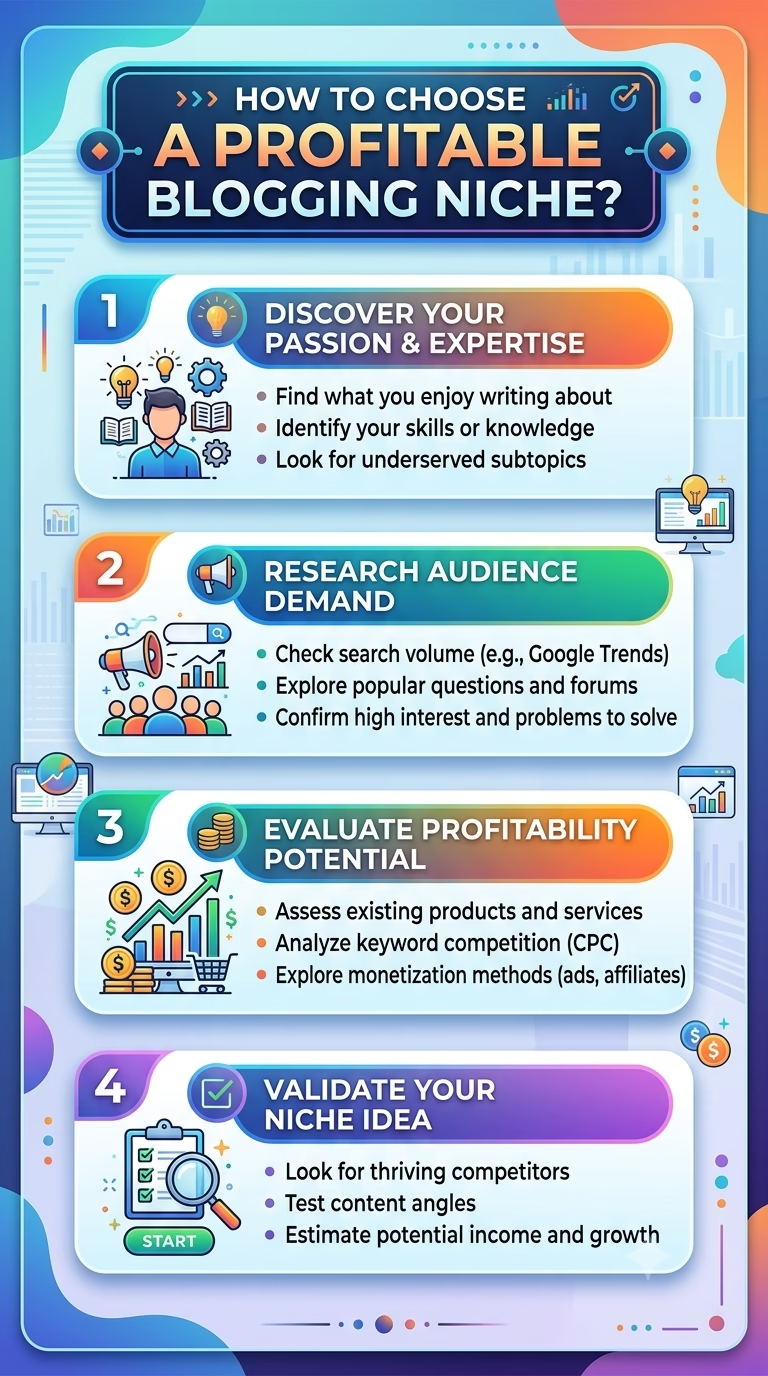
Step 1: Start With Your Own Experience
The best niche for you is often one where you already have knowledge, experience, or passion.
Why?
Because building a blog takes work. If you hate your niche after six months, you will quit. If you love it, you will push through the hard times.
Ask yourself these questions:
- “What do people often ask me for advice on?”
- “What have I solved in my own life that others struggle with?”
- “What topics could I write about for hours without getting bored?”
- “What am I naturally good at?”
Your answers point to niches where you already have credibility.
Google loves credibility.
Your readers will sense it.
You will write better because you actually know the subject.
A real-life example: A person who has lost 100 pounds and maintained the weight loss for five years has an advantage in the fitness niche. They have real experience. Their content will crush generic fitness blogs written by people who have never struggled with weight.
Step 2: Research What Actually Makes Money
Just because you like a topic does not mean it makes money. You need to check.
Here is how:
Check Google Ads.Â
Search for your topic on Google.
Count how many ads appear.
If 20 to 50 ads show up on the first page, that niche has money. If only 2 to 5 ads show, money is tight.
Check affiliate programs.Â
Look for Amazon Associates products, affiliate programs on Clickbank, and Commission Junction. If your niche features a lot of affiliate products, you can generate income.
If nothing exists, you cannot.
Check YouTube.Â
See if there are popular channels in your niche. If successful YouTubers exist, it means the niche has money and audience. If nothing is there, the niche is too small.
Check social media.Â
Look at Instagram, TikTok, and Pinterest. If people are creating content in your niche, it is profitable. If no one posts content, skip it.
Do this research in an hour. It will save you months of wasted effort.
Step 3: Look for Your Angle (Your Micro-Niche)
A micro-niche is a smaller piece of a bigger niche. It is your competitive edge.
For example:
- “Fitness” is too broad.
- “Home fitness” is better.
- “Home fitness for busy moms” is even better.
- “Home workouts for busy moms over 40 without equipment” is a real micro-niche.
A micro-niche lets you:
- Rank faster (less competition)
- Build a loyal audience (they feel understood)
- Charge more (you are specialized)
- Stand out from big competitors
The micro-niche is where the real money is. It is specific enough to rank, but big enough to make real money.
How to Find a Profitable Blogging Niche (The Research Method)
Method 1: The Competitor Analysis Approach
Find a blog that is making good money in your topic area. Then study it.
Here is how:
Step 1: Find five successful blogs in your topic.
Search Google for your topic. Look at the top 10 results. Visit each site. Which ones have:
- Professional design (not free template)
- Lots of content (100+ posts)
- Good search rankings
- Active on social media
Those are your target blogs.
Step 2: Study their content.
Visit their blog. Look at:
- What topics do they cover most?
- How long are their posts (1,000 words? 5,000 words?)
- How often do they post?
- What do they sell (courses, affiliate products, coaching)?
Step 3: Use tools to check their traffic.
Use Ahrefs, SEMrush, or Moz (all have free trials). Check:
- How much monthly traffic do they get?
- What keywords do they rank for?
- Where does their traffic come from?
This tells you if the niche actually makes money. If a blog gets 10,000 visitors per month and makes $5,000, you can do the same or better.
Step 4: Find their monetization strategy.
Click through their site. Look for:
- Ads (Ads mean money)
- Affiliate links (Affiliate commissions)
- Products or courses (Digital product sales)
- Email sign-ups (Building an audience)
This tells you exactly how to make money in this niche.
Method 2: The Keyword Research Approach
Keywords tell you everything about a niche. High-value keywords mean high profit. Low-value keywords mean low profit.
Here is the process:
Step 1: Pick your main topic.
“Fitness” or “personal finance” or “parenting.”
Step 2: Use a keyword tool.
Use Google Keyword Planner (free from Google), Ubersuggest, or Ahrefs. Type in your topic.
Step 3: Look for these signals:
- Search volume: How many people search this every month?
- CPC (Cost Per Click): How much do advertisers pay per click?
- Competition: How many sites rank for this?
High search volume + high CPC + low competition = profit.
Example:
- “How to lose weight fast” = 500,000 searches per month, $3 CPC, very high competition (hard to rank)
- “How to lose weight with PCOS” = 5,000 searches per month, $8 CPC, medium competition (easier to rank, more money per click)
The second one is the better niche choice.
Method 3: The Social Media Trends Approach
Trending topics on social media often point to profitable niches.
Step 1: Check Reddit.
Go to your potential niche subreddit. Look at the top posts of all time. What questions do people ask most? What problems do they complain about?
Example: In the sleeptrain subreddit, you might find that “Toddlers sleep issues” is asked constantly. That is a micro-niche with real demand.
Toddlers sleep issues taken to a dangerous and kinda traumatic level and I'm stumped
byu/metrogypsy insleeptrain
Step 2: Check YouTube.
Search your topic. Look at view counts. If videos get 100,000+ views, the audience is there. If videos only get 5,000 views, the audience is small.
Step 3: Check Pinterest.
Pinterest users search for specific problems they want to solve. If your topic is pinned thousands of times, it has demand. Check Pinterest Trends.
How to Validate Your Niche Idea Quickly
Why Validation Saves You Months
Most people spend three to six months building a blog before checking if the niche actually has demand. By then, they have already wasted their time.
Smart bloggers validate first. They spend a few days checking if the niche is real. Then they build.
The 3-Day Validation Test
You can validate your niche in just three days. Here is how:
Day 1: Audience Research
Verify that your target audience actually exists and is discussing this issue.
- Search your topic on Reddit. Do people ask about this? Are there active discussions? If a subreddit has 10,000+ members and regular posts, your audience exists.
- Check Amazon reviews. Search for products in your niche. Read the reviews. What do people want? What problems do they mention? If you see 1,000+ reviews on products in your niche, demand is real.
- Check Facebook groups. Search for groups around your topic. Are they active? Do people post questions? If a Facebook group has 5,000+ active members, your audience is there.
Day 2: Money Research
Verify if anyone is actually generating income in this niche.
- Look at Google Ads again. Count the ads. If fewer than 10 ads show, money is tight. If 20+ ads show, money is good.
- Check Clickbank. Search your niche on Clickbank.com. Are there products? What is the commission? High commission means high demand.
- Look for online courses. Search Udemy or Skillshare for courses in your niche. If courses exist and have thousands of students, people are spending money.
Day 3: Competition Research
Verify if you can actually outperform the competition.
- Search Google for your micro-niche (the specific angle, not the broad topic). Look at the top 10 results. How old are these sites? If most are 5+ years old, they are established. If most are newer, you have a chance.
- Check their domain authority using Moz Bar (free browser tool). If top sites have DA under 30, you can compete. If they have DA over 60, it is brutal.
- Count the number of results. Search Google for your exact micro-niche in quotes (example: “home workouts for moms”). If you get 100,000 results or fewer, competition is manageable. If you get 1+ million results, competition is fierce.
If all three days check out, your niche passes validation. Build it.
Red Flags That Signal a Bad Niche
Some niches look good but are actually terrible. Watch for these red flags:
Red Flag 1: No Google Ads
If you search your topic on Google and see zero ads (or only 1 to 2), skip it. Google Ads volume tells you if businesses think money is there. No ads means no money.
Red Flag 2: No Affiliate Products
If no affiliate programs, courses, or products exist in your niche, you cannot monetize it. You can only make Google Ads money, which is low. Skip it.
Red Flag 3: Only Entertainment Topics
Entertainment niches like celebrity gossip, video games, and movies are hard to monetize. Advertisers pay less. Affiliate products are weak. Skip them unless you want to build a huge audience and sell your own products.
Red Flag 4: Dead Social Media
If your niche topic gets zero pins on Pinterest, zero trending videos on YouTube, and zero engagement on Reddit, demand is low. Real niches have buzz. Skip dead ones.
Red Flag 5: All Big Brands
If the top 10 search results are all from huge brands (Amazon, Forbes, Healthline), you cannot compete as a new blog. They have too much power. Find a micro-niche where smaller blogs rank.
Profitable Niches for Beginners (Niches You Can Actually Win)
Why Beginners Need Different Niches
Experienced bloggers can compete in tough niches because they have traffic, links, and authority. Beginners cannot.
Beginners need niches where:
- Competition is lower
- You can rank in months, not years
- Demand is real but not saturated
Here are proven niches for beginners:
Best Beginner Niche 1: Niche Fitness (Home Workouts for Specific People)
Instead of competing in broad fitness, pick a micro-niche.
- Home workouts for people over 50
- Workouts for desk workers (desk job fitness)
- 15-minute workouts for busy professionals
- Workouts for people with back pain
- Yoga for anxiety
Why this works: Beginners rank fast in micro-fitness niches. The audience is specific and loyal. You can build traffic in 3 to 6 months.
Monthly income potential: $1,500 to $8,000
Best Beginner Niche 2: Specific Making Money Angle
Instead of broad “making money online,” pick a specific method.
- Freelance writing for beginners
- Selling digital products as a beginner
- Virtual assistant side hustle
- Micro-business ideas under $100
- Passive income through email lists
Why this works: High demand for money-making content. Lower competition if you pick a specific method. People pay for courses and coaching.
Monthly income potential: $2,000 to $10,000
Best Beginner Niche 3: Pet Care Subspecialties
Instead of broad pet care, get specific.
- Managing pet allergies at home
- Training aggressive dogs
- Caring for senior cats
- Budget pet care tips
- Pet training without harsh methods
Why this works: Pet owners spend money. Lower competition than broad fitness. You can rank quickly.
Monthly income potential: $1,000 to $6,000
Best Beginner Niche 4: Parenting Solutions (Specific Problems)
Instead of broad parenting, solve one specific problem.
- Sleep training for babies (without crying it out)
- Toddler picky eating solutions
- Managing anxiety in school kids
- Gentle discipline strategies
- Screen time management
Why this works: Parents are desperate and willing to pay. Each specific problem has lower competition. You can dominate a small niche.
Monthly income potential: $1,500 to $7,000
Best Beginner Niche 5: Tech Tools for Specific Professions
Instead of broad tech reviews, focus on tools for a specific job.
- Best tools for freelance writers
- AI tools for small business owners
- Note-taking apps for students
- Project management for solopreneurs
- Email automation tools for coaches
Why this works: Professionals in each field have budgets. They buy tools. Lower competition than general tech. You can rank and build affiliate income.
Monthly income potential: $1,000 to $5,000
Best Beginner Niche 6: Wellness Micro-Niches
Instead of broad health, pick a specific wellness problem.
- Natural remedies for migraines
- Productivity through better sleep
- Stress management for work-at-home people
- Skincare for sensitive skin
- Mental health support through routine
Why this works: Wellness is hot. Specific problems have less competition. People buy supplements, courses, and coaching.
Monthly income potential: $1,500 to $6,000
Best Beginner Niche 7: DIY and Home Improvement (Specific Skills)
Instead of broad home improvement, teach a specific skill.
- DIY projects for renters
- Budget home organization
- Woodworking for beginners
- Budget kitchen updates
- Gardening for beginners
Why this works: People love DIY. Affiliate products are strong. You can rank in small niches quickly.
Monthly income potential: $1,000 to $5,000
Best Beginner Niche 8: Food Niches (Specific Diets)
Instead of broad cooking, focus on a specific diet.
- Quick Keto recipes for busy people
- Cheap healthy meals on a budget
- No-bake desserts for beginners
- Air fryer recipes for families
- Allergy-friendly baking
Why this works: Food blogs have huge audiences. Specific diets have less competition. Affiliate products are everywhere.
Monthly income potential: $1,000 to $6,000
Niches for Affiliate Marketing (Building Real Income Streams)
What Makes a Niche Good for Affiliate Marketing
Affiliate marketing involves recommending products and earning commissions. It is one of the most effective ways to earn money from a blog.
A good affiliate niche has:
- High-quality products people actually want
- Generous affiliate commissions (20%+ is good)
- Audience with money to spend
- Problems that products solve
Top Affiliate Marketing Niches
Niche 1: Online Course Reviews and Tools
People search “best email marketing course” and “best project management software.” You review the products and link to them.
Affiliate programs: Teachable, ConvertKit, Zapier, Grammarly (all pay 20%+ commission)
Monthly income potential: $2,000 to $15,000
Niche 2: Gadget Reviews (Smart Home, Gaming Gear)
People buy expensive gadgets. Amazon affiliate commission is 3 to 5 percent, but volumes are high.
Affiliate programs: Amazon Associates, manufacturer affiliate programs (often 10%+)
Monthly income potential: $1,500 to $10,000
Niche 3: Software and SaaS Reviews
Software companies pay huge affiliate commissions (30 to 50 percent is common).
Affiliate programs: Affiliate programs on individual SaaS sites, AppSumo
Monthly income potential: $3,000 to $25,000
Niche 4: Fitness Equipment and Supplements
People buy expensive home gym equipment. Commission rates are 5 to 10 percent but sales are big.
Affiliate programs: Amazon Associates, Rogue Fitness, Life Fitness, NutriBullet
Monthly income potential: $1,500 to $8,000
Niche 5: Travel Gear and Booking
Travel enthusiasts spend money on luggage, cameras, and travel services.
Affiliate programs: Amazon Associates, Agoda, Booking.com, airlines
Monthly income potential: $1,000 to $6,000
Niche 6: Personal Finance Products
Credit cards, brokerages, and insurance pay high commissions ($50 to $500 per sign-up).
Affiliate programs: Credit card affiliate programs, Ally Bank, Interactive Brokers
Monthly income potential: $2,000 to $20,000
Niche 7: Weight Loss and Fitness Programs
People spend big money on weight loss programs and gym memberships.
Affiliate programs: Noom, WW (Weight Watchers), Peloton, fitness apps
Monthly income potential: $1,500 to $10,000
Niche 8: Pet Products and Services
Pet owners spend like crazy. Pet services pay generous affiliate commissions.
Affiliate programs: Chewy, PetSmart, pet insurance companies
Monthly income potential: $1,000 to $6,000
Best Blog Niches for Women
Why Women’s Niches Are Hot Right Now
Women control massive spending power. They also build loyal communities around content they love. Women-focused niches are growing faster than ever.
Top Niches for Female Bloggers
Niche 1: Female Fitness and Health
Women want fitness content that understands them. General fitness blogs ignore women’s specific needs.
Sub-niches:
- Postpartum fitness
- Female fitness over 40
- Fitness without the gym
- Hormonal health and fitness
Monthly income potential: $2,000 to $12,000
Niche 2: Women in Business and Entrepreneurship
Female business owners want to learn from female founders and coaches.
Sub-niches:
- Side hustles for moms
- Female entrepreneurs over 40
- Freelancing for women
- Female leadership
Monthly income potential: $3,000 to $15,000
Niche 3: Motherhood and Parenting
Moms want real, honest parenting advice from other moms.
Sub-niches:
- Working mom life balance
- Single mom finances
- Parenting while depressed
- Budget-friendly parenting
Monthly income potential: $1,500 to $9,000
Niche 4: Women’s Fashion and Style
Fashion is huge. Women love fashion content.
Sub-niches:
- Fashion for curvy women
- Sustainable fashion for women
- Professional wardrobe on budget
- Fashion for women over 50
Monthly income potential: $2,000 to $15,000
Niche 5: Beauty and Skincare
Women spend billions on beauty. This is a massive niche.
Sub-niches:
- Natural skincare for sensitive skin
- Makeup for mature women
- Budget beauty products
- Beauty without toxins
Monthly income potential: $2,000 to $12,000
Niche 6: Women’s Mental Health and Wellness
Mental health is breaking out as a huge topic. Women’s-specific mental health content is in high demand.
Sub-niches:
- Anxiety management for women
- Female depression support
- Stress relief for working women
- Trauma recovery for women
Monthly income potential: $1,500 to $8,000
Niche 7: Women’s Financial Independence
Women want to control their money and build wealth. This niche is exploding.
Sub-niches:
- Women investing 101
- Money management for single moms
- Building wealth in your 40s
- Women and retirement planning
Monthly income potential: $2,000 to $15,000
Niche 8: Self-Care and Mindfulness
Women are hungry for self-care content and wellness routines.
Sub-niches:
- Self-care on a budget
- Evening routine for better sleep
- Meditation for beginners
- Stress relief at work
Monthly income potential: $1,000 to $7,000
High-Traffic Niches for Small Blogs
What Gives a Blog High Traffic
High traffic comes from:
- Evergreen content (always relevant)
- High search volume keywords
- Topics people search often
- Content that ranks and gets shared
Not all niches can generate high traffic. Some are just too small.
Best High-Traffic Niches
Niche 1: How-To and DIY Content
People constantly search “how to” everything. This drives massive traffic.
“How to” topics:
- How to start a blog
- How to lose weight
- How to make money
- How to improve your home
- How to fix common problems
Why it works: People search these every single day. If you rank for 100 “how to” keywords, you get thousands of visits per month.
Monthly traffic potential: 10,000 to 100,000+ visits
Niche 2: Product Reviews
People search product names before buying. Review sites get massive traffic.
Popular review topics:
- Best laptops under $500
- Best running shoes
- Best project management tools
- Best coffee makers
- Best mattresses
Why it works: Every product has thousands of searches per month. Rank for 50 product reviews, get serious traffic.
Monthly traffic potential: 5,000 to 50,000+ visits
Niche 3: Budget and Money Saving
People search money-saving tips constantly.
Topics:
- How to save money fast
- Budget meal ideas
- Cheap date ideas
- Budget travel
- Money-saving hacks
Why it works: Millions of people search these topics every month. Rank for a bunch, get huge traffic.
Monthly traffic potential: 5,000 to 80,000+ visits
Niche 4: Food and Recipes
Recipe sites are among the highest traffic blogs on the internet.
Topics:
- Easy chicken recipes
- Budget meal prep
- Weeknight dinners
- Desserts
- Holiday recipes
Why it works: People search specific recipes constantly. “Easy chicken recipes weeknight” gets 50,000+ searches per month.
Monthly traffic potential: 20,000 to 500,000+ visits
Niche 5: Entertainment and Pop Culture
Pop culture content gets shared constantly. Social traffic is huge.
Topics:
- Celebrity news
- TV show reviews and recaps
- Movie reviews
- Reality TV tea
- TikTok trends
Why it works: This content gets shared on social media constantly. Social traffic is free and huge.
Monthly traffic potential: 10,000 to 200,000+ visits
Niche 6: Lifestyle and Daily Tips
Lifestyle content is evergreen. People always want lifestyle advice.
Topics:
- Morning routine ideas
- Organization tips
- Life hacks
- Productivity tips
- Sleep improvement
Why it works: These topics never go out of style. They rank forever and get consistent traffic.
Monthly traffic potential: 5,000 to 100,000+ visits
Understanding Evergreen Niches (Niches That Never Die)
What Is an Evergreen Niche
An evergreen niche is one where demand stays constant. The topics are always relevant. They do not trend and fade.
Think of it like this. A blog post about “Best iPhones in 2026” will be out of date in a year. A blog post about “How to Improve Your Sleep” will still get traffic in 2030.
Why Evergreen Niches Are Better for Beginners
Evergreen niches are better because:
- Your content keeps working. You write once, and it generates traffic for years.
- You do not have to keep writing new content to stay relevant.
- You build momentum. Old content keeps ranking higher over time.
- It is easier to monetize. Evergreen content is more stable for ads and affiliate programs.
The Best Evergreen Niches
Niche 1: How to Solve Common Problems
Problems do not go away. People always need help solving them.
Examples:
- How to fall asleep faster
- How to study more effectively
- How to have a difficult conversation
- How to cook a frozen chicken
- How to remove a stain
These topics get searched thousands of times per month, forever. Your blog post will rank forever.
Niche 2: Health and Wellness
People always care about their health. This is eternal.
Examples:
- How to reduce inflammation
- How to boost energy
- How to manage anxiety
- How to improve digestion
- How to get healthier skin
These searches never stop. A blog post published today will still get traffic in 10 years.
Niche 3: Personal Finance and Money
People always want to improve their finances.
Examples:
- How to pay off debt
- How to save money
- How to build an emergency fund
- How to invest $1,000
- How to make extra money
Money advice is evergreen. It applies year after year.
Niche 4: Relationships and Communication
People always struggle with relationships. This is forever relevant.
Examples:
- How to improve communication with your partner
- How to have a difficult conversation
- How to set boundaries
- How to deal with difficult family members
- How to know if a relationship is healthy
Relationship advice never goes out of style.
Niche 5: Self-Improvement and Habits
People always want to be better versions of themselves.
Examples:
- How to build good habits
- How to overcome procrastination
- How to increase confidence
- How to be more organized
- How to manage your time
These topics are timeless. They always have demand.
Niche 6: Parenting Advice
Parents always need help. New parents are born every day.
Examples:
- How to handle tantrums
- How to get your child to listen
- How to handle back-to-school stress
- How to raise a confident child
- How to manage screen time
Parenting challenges are eternal. New parents always exist.
Niche 7: Pet Care
Pet owners always want to take care of their pets better.
Examples:
- How to train a dog
- How to manage pet anxiety
- How to keep your pet healthy
- How to groom a cat at home
- How to make dog treats
Pet care is forever relevant.
Niche 8: DIY and Home Improvement
People always have home problems to fix.
Examples:
- How to fix a leaky faucet
- How to paint a room
- How to organize your closet
- How to remove mold
- How to patch drywall
These are timeless problems. New homeowners always need help.
Low-Competition Niches for Micro-Businesses
Why Low-Competition Matters for Small Businesses
Small businesses cannot compete with massive sites in competitive niches. You need niches where you can actually win.
How to Find Low-Competition Niches
A low-competition niche has these characteristics:
- Under 100,000 Google search results (very low is under 50,000)
- Mostly old websites rank (5+ years old)
- Domain authority of top results under 40
- Few backlinks to the top-ranking sites
Best Low-Competition Niches
Niche 1: Niche Professions and Skills Training
Train people in a specific skill many people need but few teach.
Examples:
- Grant writing for nonprofits
- Virtual bookkeeping for small businesses
- Social media for real estate agents
- Email marketing for coaches
- Photography pricing for beginners
Why it works: Specific skills have lower competition. Professionals will pay for training.
Monthly income potential: $1,500 to $8,000
Niche 2: Local Services Guides
Teach people about services or products specific to your area.
Examples:
- Best pest control in Austin, Texas
- Affordable dentists in Denver
- Restaurants under $20 in San Francisco
- Family activities in Nashville
- Senior care options in Miami
Why it works: These are super local. Almost no competition. People search for local solutions constantly.
Monthly income potential: $1,000 to $5,000
Niche 3: Industry-Specific Knowledge
Share knowledge about a specific industry or profession.
Examples:
- Interior design for real estate agents
- Tax tips for freelancers
- Bookkeeping for solopreneurs
- Writing better emails for SaaS companies
- Customer service scripts for retail
Why it works: Industry insiders search for this. Competition is lower. You are speaking their language.
Monthly income potential: $2,000 to $10,000
Niche 4: Age and Life Stage Specific Content
Create content for a specific age group or life stage.
Examples:
- Career change at 40
- Retirement planning for teachers
- Dating in your 50s
- College prep for adults going back to school
- Career guidance for career changers
Why it works: Specific life stages have lower competition. The audience is targeted and loyal.
Monthly income potential: $1,000 to $6,000
Niche 5: Budget and Accessible Versions of Popular Topics
Take a popular topic and focus on budget versions.
Examples:
- Budget travel on $30 a day
- Building a startup with no money
- Fitness without equipment
- Healthy eating under $100 per month
- Home office setup on a budget
Why it works: Budget versions have lower competition. The audience is huge (everyone loves saving money).
Monthly income potential: $1,500 to $8,000
Niche 6: Accessibility and Inclusive Topics
Create content for people who are often ignored.
Examples:
- Fitness for people with disabilities
- Parenting with anxiety disorders
- Working with ADHD
- Business ideas for introverts
- Travel tips for wheelchair users
Why it works: These audiences are underserved. Lower competition. Loyal, grateful audience.
Monthly income potential: $1,000 to $6,000
Monetization Models for Profitable Niche Blogs
The Six Ways to Make Money From a Blog
You cannot just get traffic. You need to actually convert that traffic into money. Here are the main ways:
Model 1: Google AdSense and Display Ads
How it works: You place ads on your blog. Google pays you when visitors click or view ads.
Best for: High-traffic blogs with lots of visitors.
How much: 0.25 to 5 dollars per 1,000 visitors (depends on niche and traffic quality)
For 10,000 visitors per month: $2.50 to $50
Pros: Passive, easy to set up, works immediately
Cons: Low income unless you have huge traffic, does not work well in all niches
Model 2: Affiliate Marketing
How it works: You recommend products and earn commissions when people buy through your link.
Best for: Product-focused niches (fitness, tech, home goods, finance)
How much: 5 to 50 percent of sale price
For 10,000 visitors per month: $200 to $2,000 (depends on conversion rate and product price)
Pros: Can pay very well, passive once set up, natural recommendation
Cons: Need relevant products, requires trust from audience, takes time to convert
Model 3: Digital Products (Courses, E-Books, Templates)
How it works: You create a digital product and sell it to your audience.
Best for: High-trust, high-authority niches
How much: $17 to $297 per product
For 10,000 visitors per month: $500 to $5,000 (depends on conversion and price)
Pros: High profit margin, builds authority, repeatable income
Cons: Takes time to create, requires marketing skills, need audience trust
Model 4: Coaching and Services
How it works: You offer one-on-one coaching, consulting, or services.
Best for: High-income niches (business, finance, career, health coaching)
How much: $50 to $500+ per hour
For 10 clients per month: $2,000 to $20,000+
Pros: Highest income potential, builds deep relationships, uses your expertise
Cons: Not scalable, time-intensive, requires expertise
Model 5: Email List and Sponsorships
How it works: You build an email list and companies pay to sponsor emails to your subscribers.
Best for: Large audiences in profitable niches
How much: $500 to $5,000+ per sponsorship
For 2 sponsorships per month: $1,000 to $10,000
Pros: Passive, highly profitable with large lists, works even if traffic is low
Cons: Takes time to build list, requires regular publishing, need large audience
Model 6: Membership or Subscription
How it works: Readers pay monthly to access exclusive content or community.
Best for: Highly engaged audiences, specific problems, communities
How much: $10 to $100+ per month
For 100 paying members: $1,000 to $10,000 per month
Pros: Recurring income, builds community, highly profitable with engaged members
Cons: Requires ongoing content, hard to sell, need very loyal audience
The Best Combination Strategy
Smart bloggers use multiple models together:
- Display ads (passive, always on)
- Affiliate links (passive, when relevant)
- Email sponsorships (recurring income)
- Digital course (higher income tier)
This way, if one model drops, you have others. Your income is stable.
What Skills Are Needed for Niche Blogging Success
The Five Core Skills That Matter Most
You do not need to be perfect at everything. But you do need these five skills:
Skill 1: Basic Writing
You need to write clearly. That is it. You do not need to be literary or fancy. You just need to communicate ideas clearly.
People with technical expertise but bad writing make $0. People with average expertise but great writing make $10,000 per month.
How to improve: Write every day. Read good blogs. Get feedback. Practice.
Skill 2: SEO Basics
You need to understand the basics of how Google ranks content. This is not complicated.
Basics to know:
- Use your keyword in the first paragraph
- Write clear, descriptive titles
- Link to your other articles
- Use short paragraphs
- Answer the question completely
That is 80 percent of SEO. You do not need advanced knowledge.
How to improve: Read “The Beginner’s Guide to SEO” from Moz. Watch YouTube videos. Apply it to your next post.
Skill 3: Content Research
You need to find what your audience wants and answer it better than anyone else.
This means:
- Searching Google to see what ranks
- Finding what people ask on Reddit
- Looking at YouTube to see trends
- Checking what competitors wrote
- Improving on their content
How to improve: Spend 30 minutes researching before you write anything. Find the best article on your topic. Read it. Find what is missing. Write better.
Skill 4: Persistence
You will not see results in week one. Or month one. Blogging takes time.
Most bloggers quit after three months because they do not see money yet. Bloggers who push to month six, month nine, month twelve see real income.
This skill is more important than any other. Can you keep writing even if no one is reading yet? If yes, you will succeed.
How to improve: Commit to 12 months minimum. Write one post per week. Track your progress. Do not quit.
Skill 5: Learning and Adapting
The internet changes. What worked last year might not work next year. You need to be willing to learn and adapt.
This means:
- Reading blogs about new trends
- Testing new strategies
- Dropping what does not work
- Doubling down on what does
- Learning new tools
How to improve: Read one SEO or blogging article per week. Join a mastermind group. Talk to other bloggers. Stay curious.
Optional Skills That Help (But Are Not Required)
- Basic design (Canva makes this easy)
- Email marketing basics
- Social media promotion
- Video creation (for YouTube)
- HTML basics
You can learn these as you go. They are not required to start.
What Metrics Define Niche Profitability
The Metrics That Actually Matter
Not all metrics matter. Some look impressive but do not mean money. Here are the metrics that actually predict profit:
Metric 1: Cost Per Click (CPC)
CPC is how much advertisers will pay for a click from your traffic. Higher CPC means you make more money from ads.
High CPC niches: Finance ($5 to 50),business(3 to 20),realestate(2 to $30)
Low CPC niches: Entertainment (0.25 to $2), general topics (0.50 to $3)
Why it matters: A niche with $10 CPC makes 10 times more than a niche with $1 CPC.
Metric 2: Search Volume
Search volume is how many people search for your topic per month. Higher volume means more potential traffic.
High search volume: “How to lose weight” (500,000 searches per month)
Low search volume: “How to train a bloodhound” (500 searches per month)
Why it matters: You can rank for 100 keywords in a high-volume niche and get thousands of visitors. In a low-volume niche, you rank for 100 keywords and get hundreds of visitors.
Metric 3: Commercial Intent
Commercial intent means the person searching is ready to buy, not just curious.
High commercial intent: “Best credit card for business”
Low commercial intent: “What is a credit card”
Why it matters: A person searching “best fitness class near me” is ready to buy. They will click ads and sign up. A person searching “what is fitness” is just curious and will not buy.
Metric 4: Conversion Rate
Conversion rate is the percentage of your visitors who buy something, sign up for a course, or click an ad that makes you money.
Good conversion rate: 2 to 5 percent
Bad conversion rate: 0.5 percent or lower
Why it matters: 10,000 visitors with a 5 percent conversion rate beats 100,000 visitors with a 0.1 percent conversion rate.
Metric 5: Average Order Value (AOV)
AOV is the average amount of money a customer spends. Higher is better.
High AOV: Real estate (10,000+pertransaction),finance(1,000+), business software ($500+)
Low AOV: Entertainment ($10 to 50),generaltopics(25 to $100)
Why it matters: Selling one item for $1,000 makes more money than selling 50 items for $10.
How to Check These Metrics
Use keyword tools to check CPC and search volume. Visit successful blogs and estimate their numbers. This takes an hour per niche.
Section 17: Tools That Help Research Niche Viability
The Best Free Tools
You do not need expensive tools to start. These free tools do the job:
Google Keyword Planner
Shows search volume and CPC. Free with Google Ads account. The data is accurate.
How to use: Search your keyword. Look for monthly search volume and average CPC.
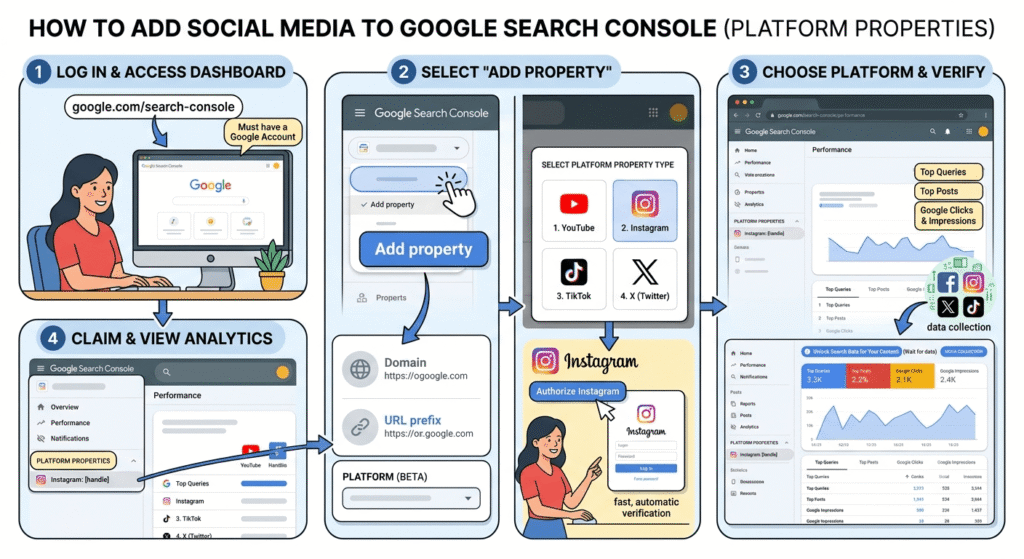
Google Search Console
Shows what keywords bring traffic to any website. Use this to spy on competitors.
How to use: Enter a competitor’s website. See what keywords they rank for.
Ubersuggest (Free Version)
Shows keyword volume, CPC, and competition level.
How to use: Search your topic. See keyword ideas with CPC and volume.
Moz Bar (Free Browser Extension)
Shows domain authority of any website. Helps you judge competition.
How to use: Visit top-ranked websites. Check their DA. If DA is under 30, you can compete.
AnswerThePublic
Shows what questions people ask about your topic. Great for finding content ideas.
How to use: Type your topic. See all the questions people ask about it.
YouTube
Shows how many views videos get about your topic. Indicates audience size.
How to use: Search your topic. Look at view counts. If videos get 100,000+ views, the audience is big.
Shows what people actually care about in your niche. See real problems people solve.
How to use: Find your niche subreddit. See what questions get asked most. See how many members.
Ahrefs (Free Trial)
One of the best tools for competitive analysis. Free trial lasts 7 days.
How to use: Check competitor websites. See how much traffic they get. See what keywords they rank for.
The Best Paid Tools (Worth It Later)
Once you are serious, these paid tools are worth it:
SEMrush ($99 to $400 per month)
Comprehensive SEO and competitive analysis. Shows everything.
Ahrefs ($99 to $1,000+ per month)
Backlink analysis and content ideas. Very accurate.
Surfer SEOÂ ($99 to $199 per month)
Content optimization. Shows exactly what your competitors are doing.
ConvertKit or ActiveCampaign ($29 to $300+ per month)
Email marketing. Essential for growing a list and making money.
Do not buy these tools until you have decided your niche and written 10 to 20 posts. Then invest.
How Much Money Can You Actually Make in Your Niche
The Realistic Income Expectations
This is the honest truth about blog income:
Month 1 to 3: $0
You will make no money. That is normal. Your blog has no traffic yet. Stick with it.
Month 4 to 6: $0 to $100
You might start seeing small traffic. Maybe a few dollars from ads or clicks. This is not yet enough to feel real.
Month 7 to 12: $100 to $1,000
Now you are getting real traffic. You might get 1,000 to 5,000 visitors per month. Ads, affiliate links, and early product sales bring in real money.
Month 13 to 24: $1,000 to $10,000
Your blog has real traction. You have 10,000 to 50,000 visitors per month. Multiple income streams are working. You are building an actual business.
Month 25+: $10,000+
You have an established blog. Hundreds of thousands of visitors per month. Multiple income streams. This is a real business.
Income Potential By Niche (After 2 Years)
These are realistic estimates for a blog that is well-built and ranked:
Personal Finance and Business: $10,000 to $50,000 per month
Health and Fitness: $5,000 to $30,000 per month
Technology: $3,000 to $20,000 per month
Real Estate: $8,000 to $40,000 per month
Pets and Parenting: $2,000 to $15,000 per month
Food and Lifestyle: $2,000 to $12,000 per month
Entertainment and Pop Culture: $1,000 to $8,000 per month
Why Some Bloggers Make More Than Others in the Same Niche
Some bloggers make $500 per month in finance. Others make $50,000 per month in the same niche.
Why?
Reason 1: They focus on higher-income products and services
A finance blogger who sells a $2,000 course makes way more than one who only sells $17 e-books.
Reason 2: They build an engaged email list
Sponsorships to an email list of 50,000 subscribers brings $5,000 to $10,000 per sponsorship.
Reason 3: They monetize multiple ways
Ads (passive) + affiliate (passive) + courses (higher income) + coaching (highest income) = way more money.
Reason 4: They pick high-authority niches
A business blog makes 5 to 10 times more than an entertainment blog with the same traffic.
Section 19: How Long Does It Take to See Profit From a New Blog
The Timeline (Honest Version)
Months 1 to 3: The Dead Zone
You write. No one reads. No money. This feels pointless. Most bloggers quit here.
Real number: 0 to 100 visitors per month
Months 4 to 6: Tiny Signals
You start showing up in Google. Small traffic starts. Still not much money.
Real number: 100 to 1,000 visitors per month
Money: $0 to $100
Months 7 to 12: Growth Month
Traffic is growing month over month. You start making real money.
Real number: 1,000 to 10,000 visitors per month
Money: $100 to $1,000 per month
Year 2: Real Business
Your blog is established. You have thousands of regular readers. Money is flowing from multiple sources.
Real number: 5,000 to 50,000 visitors per month
Money: $1,000 to $10,000+ per month
Year 3+: Mature Blog
Your blog is ranked for hundreds of keywords. It is on autopilot. Money comes in while you sleep.
Real number: 10,000 to 100,000+ visitors per month
Money: $5,000 to $50,000+ per month
The Variable: Your Niche Affects Speed
Some niches grow faster than others.
Fast-growing niches (6 months to first real traffic):
- Business
- Finance
- Health
- Technology
Slower-growing niches (12 months to first real traffic):
- Entertainment
- Lifestyle
- Niche hobbies
- Very specific topics
Fast niches have more competition, so ranking takes longer. But demand is so high that once you rank, traffic comes fast.
The Other Variable: Your Skill Level
A person who has written online before ranks faster than a complete beginner.
A person who does keyword research properly ranks faster than someone who just guesses.
A person who studies their top competitors ranks faster than someone who ignores them.
Experience matters. Your second blog will rank faster than your first.
Section 20: Why Passion Alone Is Not Enough for a Profitable Niche
The Passion Trap
Many bloggers start with passion. They pick a niche they love and write everything about it.
Then six months pass. No traffic. No money. They realize their niche does not make money.
Passion is not enough. You also need profit.
Three Examples of Passion Without Profit
Example 1: Reality TV Blogger
A person is obsessed with reality TV. They start a blog about their favorite shows.
The passion is real. They write great content. The problem: Reality TV blogs do not monetize well.
Why? Advertisers do not pay much to show ads to reality TV fans. The audience skews younger and less wealthy. Affiliate products are weak.
Result: Even with 10,000 visitors per month, they make $200 per month.
Example 2: Indie Game Blogger
A person loves indie video games. They write detailed reviews of indie games.
The passion is there. The content is great. The problem: The audience is small. Game studios do not pay for traffic. Affiliate products are limited.
Result: Even great content gets only 2,000 visitors per month and makes $100 per month.
Example 3: Knitting Blogger
A person loves knitting. They write about knitting patterns and techniques.
The passion is real. They are an expert. The problem: Very few people search knitting. Advertisers do not pay for knitting traffic.
Result: Even with great content and 5,000 visitors per month, they make $50 per month.
The Sweet Spot: Passion + Profit
The best niche combines two things:
- You have genuine interest or expertise (this drives great content)
- The niche has real money potential (this pays your bills)
You do not need to love your niche. You need to respect it enough to keep writing about it for 12 months.
You also need the niche to have real money.
How to Evaluate: Passion vs. Profit Scorecard
Ask yourself for each niche:
Passion Questions:
- Could I write about this for 12 months without getting bored?
- Do I have personal experience with this?
- Am I naturally good at this?
Score each: Yes = 1 point, No = 0 points. Total passion score out of 3.
Profit Questions:
- Do Google Ads appear for this topic? (20+ ads = yes)
- Are there affiliate products I could recommend?
- Would people pay for courses or coaching in this area?
- Is there a Facebook group with 5,000+ members (proving audience)?
Score each: Yes = 1 point, No = 0 points. Total profit score out of 4.
If you score 2 or higher on passion AND 3 or higher on profit, you have a winner.
Section 21: How to Get 1,000 Views Per Day on Your Blog
Why 1,000 Views Per Day Matters
1,000 views per day means 30,000 views per month. That is the threshold where you start making real money.
At this level, even with modest CPC, you are making $500 to $2,000 per month just from ads. Add affiliate and courses, and you are looking at $2,000 to $5,000 per month.
Getting to 1,000 views per day is a real milestone.
The Four Strategies to Hit 1,000 Views Per Day
Strategy 1: Create 100 High-Quality Posts Ranked in Top 3
The main way to get 1,000 daily views is to rank in the top 3 for 100 keywords, or top 10 for 300 keywords.
Most of your traffic will come from a few posts. If you rank first for a keyword that gets 1,000 searches per month, you get 200 to 300 clicks per month. Do this for 100 keywords, and you get 20,000 to 30,000 clicks per month (700 to 1,000 per day).
How to do it:
- Pick 100 keywords that have 500 to 2,000 searches per month
- Write better content than what currently ranks
- Build backlinks to your posts
- Wait 3 to 6 months
- Repeat
Strategy 2: Rank for High-Volume Keywords
A few posts ranking for high-volume keywords can bring massive traffic.
Example: A post that ranks third for “home workouts” gets 500 to 1,000 visitors per day just from that keyword.
Find 5 to 10 high-volume keywords in your niche. Make sure each has 10,000+ searches per month. Rank for them. This alone could hit 1,000 daily views.
How to do it:
- Find high-volume keywords in your niche
- Create the best content on that topic
- Build quality backlinks
- Wait 3 to 6 months
Strategy 3: Build Evergreen Content That Stays Ranked
Some posts rank forever. You write them once, and they rank for five years.
If you have 50 posts that each get 20 visitors per day, you hit 1,000 daily views.
How to do it:
- Write content that solves problems (not trendy content)
- Update posts every 6 months to keep them fresh
- Build internal links between your posts
- Get backlinks to old posts
Strategy 4: Use YouTube and Social Media to Drive Traffic
Most bloggers ignore YouTube and social. This is a huge mistake.
A blog with 50,000 YouTube subscribers can send 1,000+ views per day to their blog just from YouTube.
Similarly, strong social media presence (TikTok, Pinterest, Instagram) can send thousands of daily views to your blog.
How to do it:
- Create YouTube videos for your main articles
- Share content on Pinterest, TikTok, Instagram
- Link back to your blog
- Build a community that shares your content
Section 22: Most Successful Types of Blogs (The Winners)
The Six Types of Blogs That Make the Most Money
Not all blogs are equal. Some types make way more money than others.
Type 1: Problem-Solution Blogs
These blogs solve specific problems for specific people.
Examples:
- How to pass the CPA exam
- How to manage anxiety without medication
- How to fix a leaky faucet
- How to get a visa for Canada
Why they work: People with problems will pay to solve them. These blogs convert well.
Average income: $3,000 to $20,000 per month
Type 2: Review Blogs
These blogs review products or services. They make money through affiliate commissions.
Examples:
- Best email marketing software
- Best running shoes for flat feet
- Best air fryers
- Best cheap flights sites
Why they work: People search reviews before buying. If you review well, they buy through your link.
Average income: $2,000 to $15,000 per month
Type 3: Comparison Blogs
These blogs compare products against each other.
Examples:
- Shopify vs. WooCommerce
- iPhone vs. Android
- Noom vs. WW
- Invest with Vanguard vs. Fidelity
Why they work: People want to know the best choice. Comparisons have high commercial intent.
Average income: $3,000 to $18,000 per month
Type 4: Authority Blogs
These blogs establish the author as an expert in their field. They sell courses, coaching, and high-ticket products.
Examples:
- A financial advisor blog selling $5,000 coaching packages
- A fitness expert blog selling $200 course
- A business blogger selling $10,000 consulting
Why they work: Authority builds trust. Trust converts to high-price sales.
Average income: $5,000 to $50,000+ per month
Type 5: Community Blogs
These blogs build a community around a topic. They make money through sponsorships and patreon.
Examples:
- A parenting blog with a big email list
- A small business owner network
- A remote workers community
Why they work: Communities have loyal followers. Sponsors pay well for access to the community.
Average income: $2,000 to $20,000 per month
Type 6: List and Database Blogs
These blogs become the go-to resource for lists and databases in their niche.
Examples:
- The complete list of free online courses
- All free AI tools available
- Best coffee shops in every US city
- Cheapest flights found today
Why they work: These blogs become go-to resources. They get massive traffic. Once people find them, they share them.
Average income: $2,000 to $25,000+ per month
Section 23: Why SEO Is Critical for Niche Selection
The Truth About SEO and Niche
If you cannot rank in Google, your blog makes no money. It is that simple.
Your niche’s SEO difficulty directly determines your income potential.
Four Reasons SEO Difficulty Matters for Niche Selection
Reason 1: SEO Difficulty Affects Time to First Income
An easy niche (low SEO difficulty) = 3 to 6 months to first traffic and income
A hard niche (high SEO difficulty) = 12 to 24 months to first real income
If you pick a hard niche, you are signing up for 18 months of zero income before seeing real money. Most people cannot handle that.
Reason 2: SEO Difficulty Affects Your Ability to Compete
In easy niches, new blogs can rank fast. You have a real shot.
In hard niches dominated by huge sites (Wikipedia, Amazon, Forbes), you cannot compete. You will never rank.
Reason 3: SEO Difficulty Affects How Much Content You Need
Easy niche: 50 high-quality posts might be enough to get 1,000 views per day
Hard niche: You might need 200 posts, and you still will not rank
Reason 4: SEO Difficulty Affects Your ROI on Time
Easy niche: 12 months of work = $10,000 per month
Hard niche: 12 months of work = $500 per month
Your time is worth money. Picking an easier niche is smarter financially.
How to Measure SEO Difficulty Before Starting
Check these three things:
Check 1: Who Ranks in Top 10
Google your main keyword. Look at the top 10 results.
- If most are from huge sites (Forbes, Healthline, Wikipedia, Amazon), the niche is hard. Skip it.
- If most are from small blogs and niche websites, the niche is easy. Pick it.
Check 2: What Is the Domain Authority of Top Rankers
Use Moz Bar to check domain authority of the top 10 sites.
- If most have DA above 50, the niche is very hard.
- If most have DA below 35, the niche is very easy.
- If most have DA between 35 and 50, the niche is medium difficulty.
Check 3: How Old Are the Top Ranking Sites
Check when the top sites were created (using whois or Site Explorer).
- If most sites are 5+ years old, they have been building authority for years. You will have a hard time competing.
- If most sites are 1 to 3 years old, you have a real chance.
Section 24: Why Should You Micro-Niche Your Blog
What Is Micro-Niching (And Why It Matters)
Micro-niching means picking a very specific angle within a bigger niche.
Instead of “fitness,” pick “home fitness for women over 50.”
Instead of “making money,” pick “freelance writing for complete beginners.”
Micro-niching seems like it limits your audience. It actually expands your opportunities.
Five Reasons Micro-Niching Is Smarter
Reason 1: You Rank Faster
“Fitness” has 100 million competitors. “Home workouts for busy parents” has 100,000 competitors.
You will rank for the specific niche in 3 months. You might never rank for the broad topic.
Reason 2: Your Audience Trusts You More
A fitness blog speaks to everyone. No one feels special.
A blog about “home workouts for busy parents” speaks directly to them. They feel understood. They trust you more. They buy more.
Reason 3: You Face Less Competition From Big Brands
Big brands (Nike, Peloton, Beachbody) fight for “fitness” keywords.
They do not care about “home workouts for parents with joint pain.” Micro-niches are too small for them to bother with. You own it.
Reason 4: You Can Charge More
When you are specialized, you are worth more.
A general fitness coach charges $50 per session. A coach specialized in “postpartum fitness” charges $75 to $100 per session.
Specialization = higher prices.
Reason 5: You Build a Loyal Community
Micro-niche audiences are loyal. They have a specific problem. You solve it. They stay for life.
Broad topic audiences are fickle. They find your site, browse, leave, never return.
Section 25: Why Do Lifestyle Blogs Struggle With Monetization
The Lifestyle Blog Problem
Lifestyle blogs get lots of traffic. They do not make money.
Why? Because lifestyle audiences have low purchasing power or low commercial intent.
The Three Main Problems With Lifestyle Blogs
Problem 1: Low CPC
Advertisers do not pay much for lifestyle traffic. CPC is usually 0.50 to 2 dollars.
Compare this to finance (5 to 50 dollars CPC) or business (3 to 20 dollars CPC).
You need 5 to 10 times the traffic to make the same money.
Problem 2: Weak Affiliate Products
What do you sell in a lifestyle niche? Home decor? Cute notebooks?
Affiliate commissions are tiny. You need 1,000 clicks to make $50.
Compare this to finance where one click on a credit card affiliate link can earn you $100.
Problem 3: Low Course Pricing
Lifestyle audiences are mostly younger, with less money. They do not buy expensive courses.
A business course sells for $1,000. A lifestyle course sells for $30.
You need to sell 33 courses to make the same money.
How to Fix Lifestyle Blogs (The Real Strategy)
If you are in a lifestyle niche, you need a different monetization strategy:
Strategy 1: Build a Massive Audience
Lifestyle blogs need scale. Get 100,000+ monthly visitors. Then even with low CPC, you make money.
Strategy 2: Focus on Email and Sponsorships
Email sponsorships pay much better than ads. Get 10,000 email subscribers. Companies pay $500 to $2,000 per sponsorship.
Strategy 3: Build Your Own Product
Instead of affiliate products, create your own. A lifestyle course, planner, or community. You own 100 percent of profit.
Strategy 4: Shift to Higher-Revenue Audiences
Start with “lifestyle,” but shift toward higher-revenue sub-niches like “luxury lifestyle” or “investment lifestyle.”
Section 26: The Most Profitable Blogging Niche in 2026
What Changed in 2026
Niches change. Demand shifts. New opportunities emerge.
Here is what is happening in 2026:
AI Tools and Automation is the hottest niche. Everyone wants to know how to use AI tools. Affiliate commissions are high. People spend money on tools. This is exploding.
Hybrid Fitness (combining home fitness with AI coaching) is growing fast.
Solopreneur and One-Person Business is huge. People want to start businesses with no team.
Mental Health and Anxiety is mainstream now. Way more people openly discuss and invest in mental health support.
Sustainable and Ethical Consumption is growing. People want to know how to buy responsibly.
The Real Answer: The Big 3 Are Still the Best
Despite changes, the Big 3 remain the most profitable:
- Personal Finance and Money
- Health and Fitness
- Business and Making Money
These three will always be the most profitable. They will be profitable in 2026, 2027, 2030, and beyond.
Why? Because people always want to make more money, be healthier, and solve problems. These are eternal.
The Smartest Play for 2026
Pick a Big 3 niche. Add an AI or modern twist.
Examples:
- “AI tools for freelancers” (business + AI)
- “Best AI fitness coach” (fitness + AI)
- “Personal finance for content creators” (finance + modern creator economy)
This gives you the profit potential of the Big 3 with less competition from established players.
Section 27: Evergreen Niches That Never Go Out of Style
What Makes a Niche Evergreen
An evergreen niche is one where:
- The problem never goes away
- New people discover it every day
- The topic does not trend and fade
Think of evergreen like a tree that gives fruit every year. It is always producing value.
The Best Evergreen Niches
Niche 1: Personal Development and Self-Improvement
The human desire to improve never ends. People always want to:
- Be more confident
- Manage stress
- Build good habits
- Overcome procrastination
- Improve relationships
This will be relevant in 2030, 2040, and 2050. People will always want to improve.
Niche 2: Health and Preventative Care
People always want to be healthier. The specific methods change, but the desire never does.
Topics like better sleep, reducing inflammation, managing weight, and improving energy will always be searched.
Niche 3: Money Management and Investing
Money never goes away. People always need to earn, save, and invest.
Even if the stock market crashes or a recession hits, people still want to understand money. This niche will be profitable forever.
Niche 4: Parenting and Child Development
New parents are born every single day. They all have the same problems. Parenting content is eternal.
Niche 5: Relationship and Communication
People always struggle in relationships. They always want to communicate better. This is timeless.
Niche 6: Career Advice
People always want better jobs, higher pay, or better careers. This will never stop being relevant.
Niche 7: Home Improvement
People always have home problems to solve. This is forever relevant.
Section 28: What Is the Most Successful Type of Blog (Income Breakdown)
The Most Profitable Blog Type by Numbers
Here is what makes a blog most successful (measured by income):
#1 Most Successful: Authority + Digital Products Blog
This combines being recognized as an expert with selling your own products.
Examples:
- Pat Flynn’s Smart Passive Income
- Neil Patel’s digital marketing blog
- Amy Porterfield’s email marketing blog
How it works:
- Build authority through free content
- Build email list
- Sell digital products (courses, memberships, coaching)
Income: $50,000 to $500,000+ per month
Why it works: You own all the profit. You are positioned as an expert. People pay premium prices.
#2 Most Successful: Affiliate + Ad Revenue Blog
This maximizes both ads and affiliate commissions.
Examples:
- Nerd Wallet (personal finance)
- Wirecutter (product reviews)
- Healthline (health information)
How it works:
- Rank for high-traffic keywords
- Place affiliate links naturally
- Place ads on every page
- Maximize traffic
Income: $10,000 to $100,000+ per month
Why it works: Multiple revenue streams at scale. 100,000+ monthly visitors x multiple income sources = serious money.
#3 Most Successful: Community + Sponsorship Blog
This builds a loyal community and monetizes through sponsorships.
Examples:
- The Skimm (email + sponsorships)
- SubStack newsletters (sponsorships)
- Facebook groups + email
How it works:
- Build engaged community
- Get sponsors to pay for access to community
- Sponsorships are recurring and high-value
Income: $5,000 to $100,000+ per month
Why it works: Sponsors value direct access to a community. They pay well.
#4 Most Successful: Service / Coaching Blog
This uses the blog to attract coaching or service clients.
Examples:
- A business coach’s blog (gets consulting clients)
- A therapist’s blog (gets therapy clients)
- A designer’s blog (gets design clients)
How it works:
- Rank for high-intent keywords
- Attract qualified leads
- Sell high-ticket services
Income: $10,000 to $100,000+ per month
Why it works: High-ticket services (often $2,000 to $10,000+) = high profit per client. Only need 5 to 10 clients per month.
#5 Most Successful: Niche Info + Email List Blog
This builds a small but extremely engaged email list and monetizes through sponsorships and affiliate.
Examples:
- Hacks Daily (cybersecurity)
- CSS-Tricks (web development)
- Indie Hackers (entrepreneurship)
How it works:
- Build highly engaged, niche audience
- Get sponsors for email
- Affiliate high-value products to audience
Income: $3,000 to $50,000+ per month
Why it works: Niche audiences are loyal. Sponsors pay premium rates for access to specific, engaged audiences.
Section 29: FAQ About Profitable Blogging Niches
FAQ 1: What Are the Big 3 Niches?
The Big 3 most profitable blogging niches are:
- Personal Finance and Business – People spend big money to make more money
- Health and Fitness – People spend big money on health and looking good
- Relationships and Self-Help – People spend big money to improve themselves
These three have the highest CPC, highest demand, and highest monetization potential.
FAQ 2: Which Niche Has High Demand Right Now?
AI tools and automation have the highest demand right now. Everyone wants to learn about AI.
But sustained, evergreen demand goes to:
- Personal finance (always trending up)
- Health (always trending up)
- Business (always trending up)
- Technology (always trending up)
FAQ 3: What is the Most Profitable Blog Niche in 2026?
The most profitable is still personal finance, followed by health and fitness, then business.
But the fastest growing niche right now is AI tools and automation. New bloggers should consider “AI tools for [specific profession]” as a smart micro-niche.
FAQ 4: What Blog Makes the Most Money?
Blogs in personal finance, business, and technology make the most money.
The highest earners are authority blogs that combine free content with high-ticket products or services.
Example: A business blog that makes $100,000+ per month through a mix of ads, affiliate, and $5,000 courses.
FAQ 5: Do Bloggers Get Money?
Yes, bloggers absolutely make money. But it takes time.
- Most bloggers see no money in the first 6 months
- Real income starts around month 9 to 12
- Full-time income potential is $5,000 to $50,000+ per month for established blogs
Success requires picking the right niche, creating great content, and sticking with it for at least 12 months.
FAQ 6: What Skills Can I Monetize Quickly?
Skills that monetize fast:
- Freelance writing – Earn $100 to $500 per article immediately
- Social media management – Earn $500 to $2,000 per client per month
- Virtual assistant work – Earn $15 to $50 per hour
- Graphic design – Earn $100 to $1,000 per project
- Social media content creation – Earn $500 to $2,000 per month
- Email marketing consulting – Earn $2,000 to $10,000 per client
Blog income takes time. These skills pay immediately.
FAQ 7: How Many Views Do You Need to Make $1,000 Per Month?
It depends on your CPC and conversion rate.
High-income niche (finance, business, real estate):
- $10 CPC + 1% conversion = 10,000 visitors needed
Medium-income niche (health, tech):
- $3 CPC + 1% conversion = 33,000 visitors needed
Low-income niche (entertainment, lifestyle):
- $1 CPC + 0.5% conversion = 200,000 visitors needed
The easiest path: Pick a high-CPC niche and build a small but engaged audience.
FAQ 8: What Niche Blogs Make the Most Money Per Article?
Finance, real estate, and business blogs make the most money per article.
Why? High CPC, affiliate commissions, and high-ticket products.
A single article ranking for a high-value keyword can make $1,000+ per month in these niches.
In entertainment niches, the same article might make $10 per month.
FAQ 9: How Do You Know If a Niche Is Saturated?
A niche is saturated when:
- Over 5 million Google search results
- Top 10 results are all from major brands
- CPC is dropping year over year
- Affiliate commissions are weak
- New blogs struggle to rank
If you see all four signs, the niche is saturated. Pick something else.
FAQ 10: Can You Make Money in a Crowded Niche?
Yes, but it is much harder.
In a crowded niche, you need:
- A strong micro-niche angle
- Better content than competitors
- Lots of backlinks (hard to get)
- Patience (12 to 24 months to see real traffic)
- More content (200+ posts vs. 50 posts in an easier niche)
It is possible, but easier niches are… easier.
Section 30: Action Plan – How to Start Your Profitable Niche Blog Today
Your 30-Day Action Plan
Week 1: Research and Validation
Day 1: Brain dump five potential niches based on your interest or expertise.
Day 2: For each niche, research using the three-day validation test from earlier. Check audience, money, and competition.
Day 3: Pick your final niche. Write down your specific micro-niche angle.
Day 4: Analyze five successful blogs in your niche. Study their structure, content, monetization.
Day 5: Research 50 keyword ideas using Google and Ubersuggest.
Day 6: Create a content calendar with your first 20 post ideas.
Day 7: Rest and reflect. Make sure you are excited about this niche.
Week 2: Technical Setup
Day 8: Pick a domain name (your niche keyword + .com)
Day 9: Pick a hosting provider (Bluehost, Kinsta, or SiteGround)
Day 10: Install WordPress
Day 11: Pick a simple theme (Astra or GeneratePress)
Day 12: Install essential plugins (Yoast SEO, Akismet, Wordfence)
Day 13: Create basic pages (About, Contact, Privacy Policy)
Day 14: Set up Google Analytics and Google Search Console
Week 3: Content Creation
Day 15 to 21: Write your first five blog posts (1,500 to 2,500 words each)
Use keyword research to pick titles. Study what ranks. Write better than current leaders.
Optimize for SEO (keyword in first paragraph, short sections, clear headings).
Week 4: Launch and Monetization
Day 22: Publish all five posts
Day 23: Submit sitemap to Google Search Console
Day 24: Apply for Google AdSense and affiliate programs
Day 25: Create email sign-up incentive
Day 26: Set up email service (ConvertKit or MailerLite)
Day 27: Share your blog on social media
Day 28 to 30: Plan your next 20 posts
Your Year-One Timeline
Months 1 to 3: Foundation
- Publish 12 posts (one per week)
- Build basic SEO (no ranking yet)
- Get 100 to 500 visitors
- Start email list
Months 4 to 6: Early Growth
- Publish 12 more posts
- Start ranking for easy keywords
- Get 500 to 2,000 visitors per month
- Start making $0 to $200 per month
Months 7 to 9: Traction
- Publish 12 more posts
- Ranking for 30 to 50 keywords
- Get 2,000 to 5,000 visitors per month
- Make $200 to $1,000 per month
Months 10 to 12: Momentum
- Publish 12 more posts
- Ranking for 50 to 100 keywords
- Get 5,000 to 10,000 visitors per month
- Make $1,000 to $3,000 per month
At the end of year one, you have a real blog making real money.
Final Thoughts: Your Path Forward
Choosing a profitable blogging niche is the most important decision you will make as a blogger.
This decision affects:
- How fast you rank
- How much money you make
- How long you can keep going
- Whether you hit success or failure
The good news: You now have a complete system for making this decision.
You know the Big 3 niches. You know which niches make the most money. You know how to validate a niche in three days. You know the real income potential. You know the timeline.
Now it is time to make your choice.
Do not overthink it. Pick a niche where you have interest or expertise. Validate it quickly. Launch in 30 days.
Start writing. Stay consistent. Wait. The money will come.
Your success does not depend on finding a perfect niche. It depends on picking a good niche and executing well.
Pick a good niche today. Start writing tomorrow. Build momentum every single day.
That is how you make a profitable blog.
Now go pick your niche and start building your business.

Mansoor Bhanpurawala is the founder of DigitalMansoor.com. He has been doing SEO since 2012 and, with over 14 years of experience, has helped 600+ clients across multiple industries build sustainable online growth.
With consulting, he enjoys sharing beginner-friendly guides to help others start and scale their blogs and brands. He’s grown client traffic up to 50X and revenue up to 240X.


Leave a Comment